
Blog
-
Cervical Cancer Screening in Australia – Using the Self-Collection Kit
2026-06-19
#ブログ
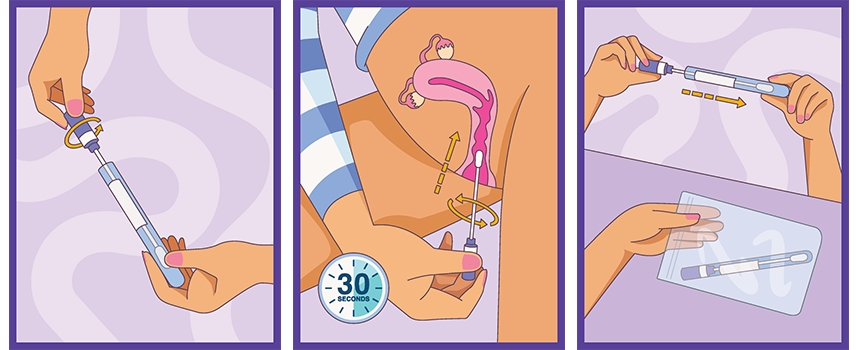
In Australia, cervical cancer screening is recommended for women aged 25 years and older who have ever been sexually active. The incidence of cervical cancer under 25 is very rare.
Using a self-collection kit is one of the options for screening. You can use the kit to take a vaginal sample yourself. This test is simple, highly accurate, and very convenient. By collecting the sample yourself, you can protect your privacy and avoid discomfort of an internal examination or inserting instruments by a doctor. For these reasons, many patients choose this option. However, self-collection testing is recommended only for patients who have no symptoms and who have never had abnormal screening results in the past.
This self-collection kit is used for testing the presence of the virus in the vagina only. It cannot check for changes in the cells of the cervix. If the sexually transmitted virus, such as HPV (human papillomavirus), is detected by the test, further examination will be required. HPV can cause cervical cancer. If the virus is negative, the next screening is recommended in five years.
Although Sakura Family Clinic was established mainly for Japanese patients, many Chinese and Taiwanese international students and working holiday makers — both male and female — have visited our clinic to receive the HPV 9-valent vaccine (Gardasil 9). Many of them are very pleased to be able to receive the vaccine free of charge in Australia, as it is difficult to access and very expensive in their home countries.
Testing for dysplasia or cancer cells requires a sample of cervical cells. The sample needs to be collected by a doctor. If you have previously had cervical dysplasia, or if you have symptoms such as abnormal vaginal discharge, irregular bleeding, pain during intercourse, or bleeding after intercourse, the self-collection kit is not sufficient. To avoid the risk of missing malignant cells, it is important to undergo cervical cancer screening with a doctor’s internal examination.
If you feel uncomfortable undergoing a private examination with a male doctor, you may request a female staff member to be present (chaperone) or ask to see a female doctor.
Read more
-
Breast Self-Checks and Breast Cancer Screening
2026-3-20
#ブログ
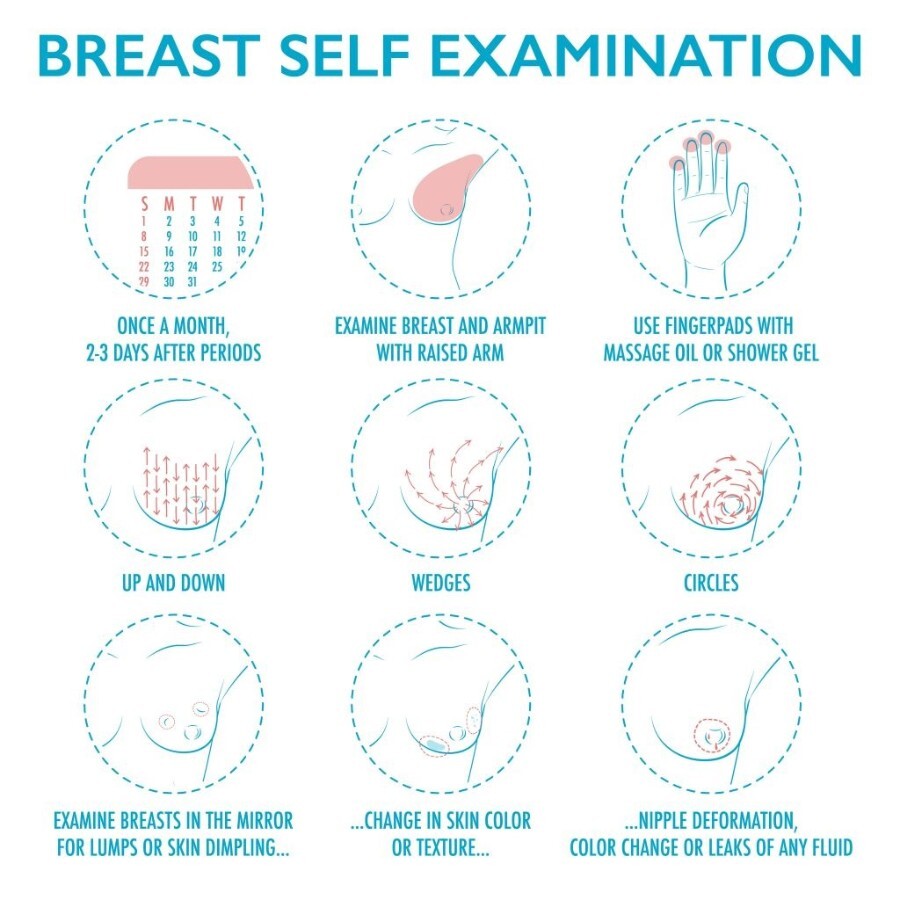
Breast cancer affects approximately one in ten women. However, when detected early, it has a high chance of successful treatment. Regular breast self-checks can help with early detection. You may feel unsure about what to look for at first, but by becoming familiar with the normal look and feel of your breasts, you will be more likely to notice changes such as lumps or skin changes. Self-checks only need to be done once a month. The best time is shortly after your menstrual period has finished, when the breasts are less tender or swollen. Around 40% of breast cancers are detected after women notice a lump themselves. Regular self-checks are particularly important for younger women, as breast cancer can sometimes progress more rapidly in younger age groups. Whether or not you are taking the contraceptive pill, we encourage you to make it a monthly habit to check both your breasts and the lymph nodes in your underarms.
How to Perform a Breast Self-Check
There are many instructional videos available online. The key steps include:
-
Observation in front of a mirror
Place your hands on your hips and observe the shape and contour of your breasts. Raise and lower your arms and look for any visible changes such as dimpling, skin changes, or asymmetry. -
Palpation while standing
Using the pads of your fingertips, check the entire breast area, including behind the nipple and up to the underarm. -
Palpation while lying down
When lying on your back, the breast tissue spreads more evenly over the chest wall, which can sometimes make lumps easier to feel.
Depending on your age and clinical findings, your GP may recommend a breast ultrasound or mammogram. If needed, a biopsy (a small tissue sample taken with a needle) may be performed to confirm a diagnosis. Even if results are benign, follow-up imaging may be recommended in six to twelve months for monitoring.
If malignancy is suspected, your GP will refer you to a breast surgeon for specialist management. Australia, like Japan, provides a very high standard of breast cancer care. Depending on your personal circumstances, you may choose to receive treatment either in Japan or in Australia.
Mammography Screening in Australia
In Australia, routine screening mammography is recommended every two years for women aged 50 to 74 years. Women aged 40 to 49 years and those aged 75 years and over may also access screening after discussion with their GP.
Free screening mammograms are available for eligible people, including foreign residents, even if they do not have Medicare.
Screening centres are often located within or near major shopping centres, and appointments can be easily booked online.
If you live in Queensland, you can book here: BreastScreen Queensland appointment booking . We strongly encourage you to take advantage of regular screening and early detection services.
Read more
-
Observation in front of a mirror
-
Important Information for People Aged 12–26 Living in Australia – Especially Parents of High School Students, International Students, and Working Holiday Makers
2026-01-31
#ブログ
About HPV (Gardasil 9) Vaccination for Males
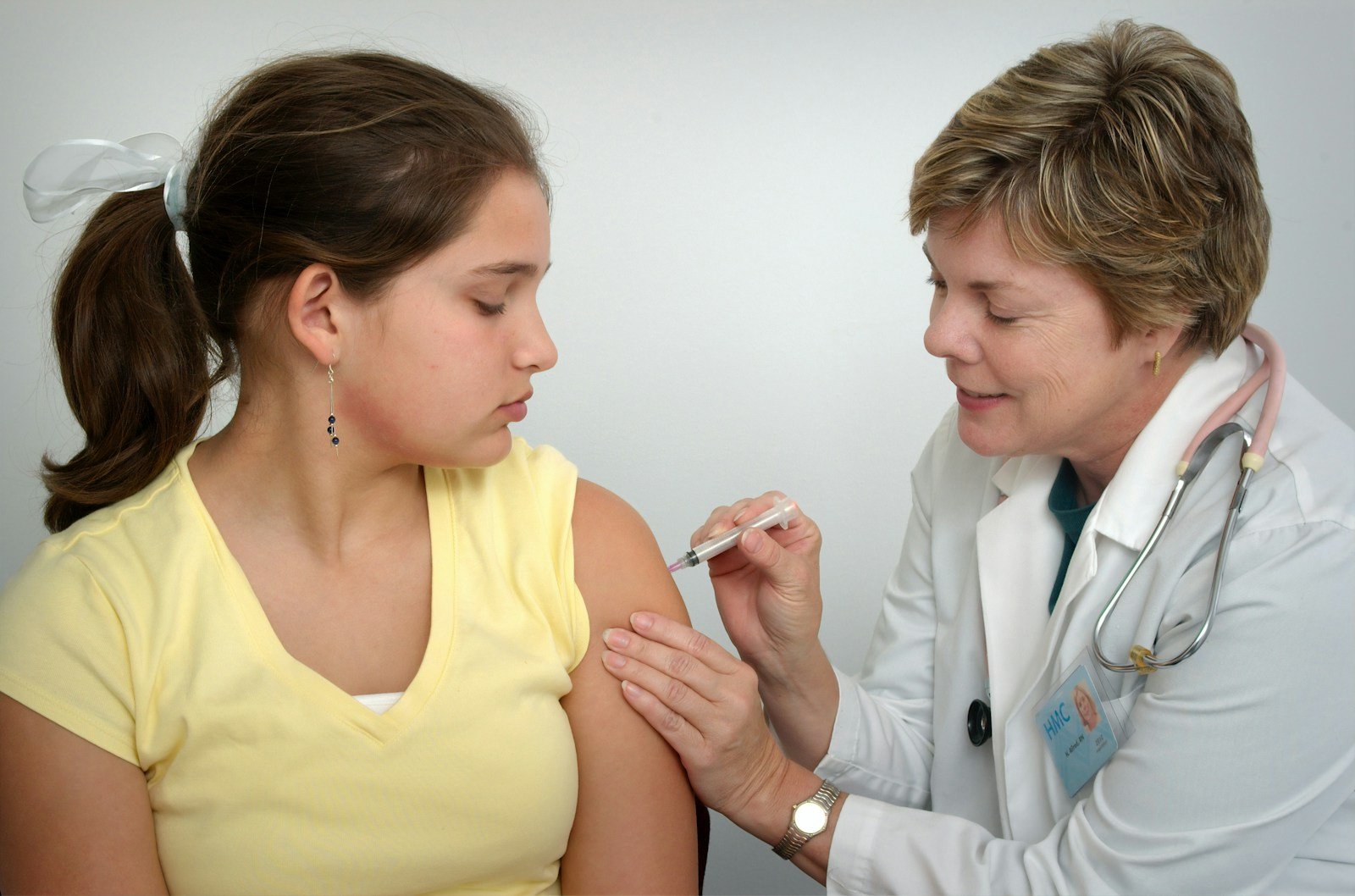
In Australia, all Year 7 students, both boys and girls, receive the HPV 9-valent vaccine as part of the School Immunisation Program. In Australia, where vaccination has been widely implemented, the incidence of cervical cancer has significantly decreased. If this trend continues, it is expected that the country will be able to declare the elimination of cervical cancer by 2035.Previously, three doses of the HPV vaccine were required, similar to the current situation in Japan. However, based on recent medical research, it is now considered sufficient for young people aged 12–25 to receive only one dose. Studies have shown that a single dose provides a high level of preventive effect comparable to two or three doses in this age group. Furthermore, this single dose of the HPV 9-valent vaccine is funded by the Australian government and is provided free of charge for males and females under 26 years of age who live in Australia.
The World Health Organization (WHO) recommends HPV vaccination not only for women but also for men. HPV is a sexually transmitted infection, and it can cause cervical cancer when transmitted from men to women through sexual intercourse. By vaccinating men, HPV infection can be prevented, which contributes to the prevention of cervical cancer in women. In addition, HPV has been shown to cause not only cervical cancer but also genital warts, as well as cancers of the throat (pharynx), anus, and penis.
Although Sakura Family Clinic was established mainly for Japanese patients, many Chinese and Taiwanese international students and working holiday makers — both male and female — have visited our clinic to receive the HPV 9-valent vaccine (Gardasil 9). Many of them are very pleased to be able to receive the vaccine free of charge in Australia, as it is difficult to access and very expensive in their home countries.
On Chinese social media platforms such as Xiaohongshu, many people share their vaccination experiences and recommend receiving the HPV vaccine while in Australia. The overseas Chinese information network is truly impressive, and I am always struck by the high level of information-sharing among young Chinese people. From what they tell us, even though they may fear or dislike injections, both men and women share a strong awareness of the importance of receiving the HPV vaccine as a preventive measure against cancer in the future. Even among travellers who are not eligible for the government-funded program, many still wish to receive the vaccine and are willing to pay approximately $300 out of pocket.
In contrast, among Japanese people, only a small number of young women occasionally consult us about HPV vaccination, and it is extremely rare for men to seek vaccination. As a healthcare professional, I am concerned by the noticeable behavioural gap between Japanese youth and their peers from other Asian countries. One possible reason is that HPV vaccination rates in Japan fell significantly in the past after media reports raised concerns about rare side effects, which understandably caused anxiety. As a result, awareness of the importance of vaccination remains low among both men and women.
It is important to note that the extremely rare symptoms reported in the past have not been medically proven to be causally linked to HPV vaccination. In contrast, there is strong and well-established medical evidence demonstrating the vaccine’s effectiveness in preventing multiple types of cancer. When considering the overall balance of risks and benefits, the medical consensus is that young people should receive the HPV vaccine, even if it requires paying a significant cost.
From what I understand, in Japan, the 2-valent and 4-valent HPV vaccines are still available, and free vaccination is offered only to women. For men, the primary option appears to be paying for three doses of the 4-valent vaccine.
I sincerely hope that young Japanese men living in Australia will take advantage of this valuable opportunity to receive the 9-valent HPV vaccine free of charge — not only for their own health, but also to help protect their future partners.Read more
-
Preventing Skin Ageing from UV Rays – Skincare in Australia
2025-12-03
#ブログ
In sunny tropical Australia, UV protection is a must even during winter. To protect your skin, you need to apply a high SPF sunscreen thoroughly. Reapply every four hours when you are at the beach or outdoors. Wearing long sleeves, sunglasses, a wide-brimmed hat, and using a sun umbrella are also very effective for preventing UV damage. Besides UV, other major enemies of your skin are smoking, excessive drinking of alcohol, and malnutrition due to extreme dieting.
UV damage on skin is very common in Australia. It is very important to look after your skin everyday more than ever. For example, drinking 1-2 litres of water a day is highly effective for maintaining your skin resilience and tone. (Water consumption is depending on the body size and activity level.) Adding vitamins, antioxidants, and healthy fats into your diet also play a significant role in the long-term health of your skin.
As of 2025, these are the top anti-ageing and antioxidant serum ingredients effective for treating spots, wrinkles and dullness. It is based on the latest research and highly recommended by dermatologists and aesthetic surgeons in Australia.
Over-the-counter Anti-ageing Serums
When you start noticing spots, wrinkles, or dullness, it is a good idea to try an over-the-counter serum or moisturizer at first. You may find products from internationally well-known brands in lower prices in the pharmacies. It might be worth purchasing the products based on ingredients and price, instead of focusing on brands names.
☆☆☆☆☆ Bacuchiol
☆☆☆☆☆ Retinol
☆☆☆☆☆ Niacinamide (Vitamin B3)
☆☆☆☆☆ Ascorbic Acid (Vitamin C)Prescription Anti-ageing Serums at the clinic
Anti-ageing medication, such as tretinoin cream and tranexamic acid oral tablets, are only available through the dermatology or aesthetic clinics in Japan. In Australia, GP can prescribe these medications. Due to the side effects of these strong medications, a consultation and follow-up are required. Your GP can also refer you to a dermatologist if necessary. For any skin concerns or issues, feel free to contact us at Sakura Family Clinic.
Read more